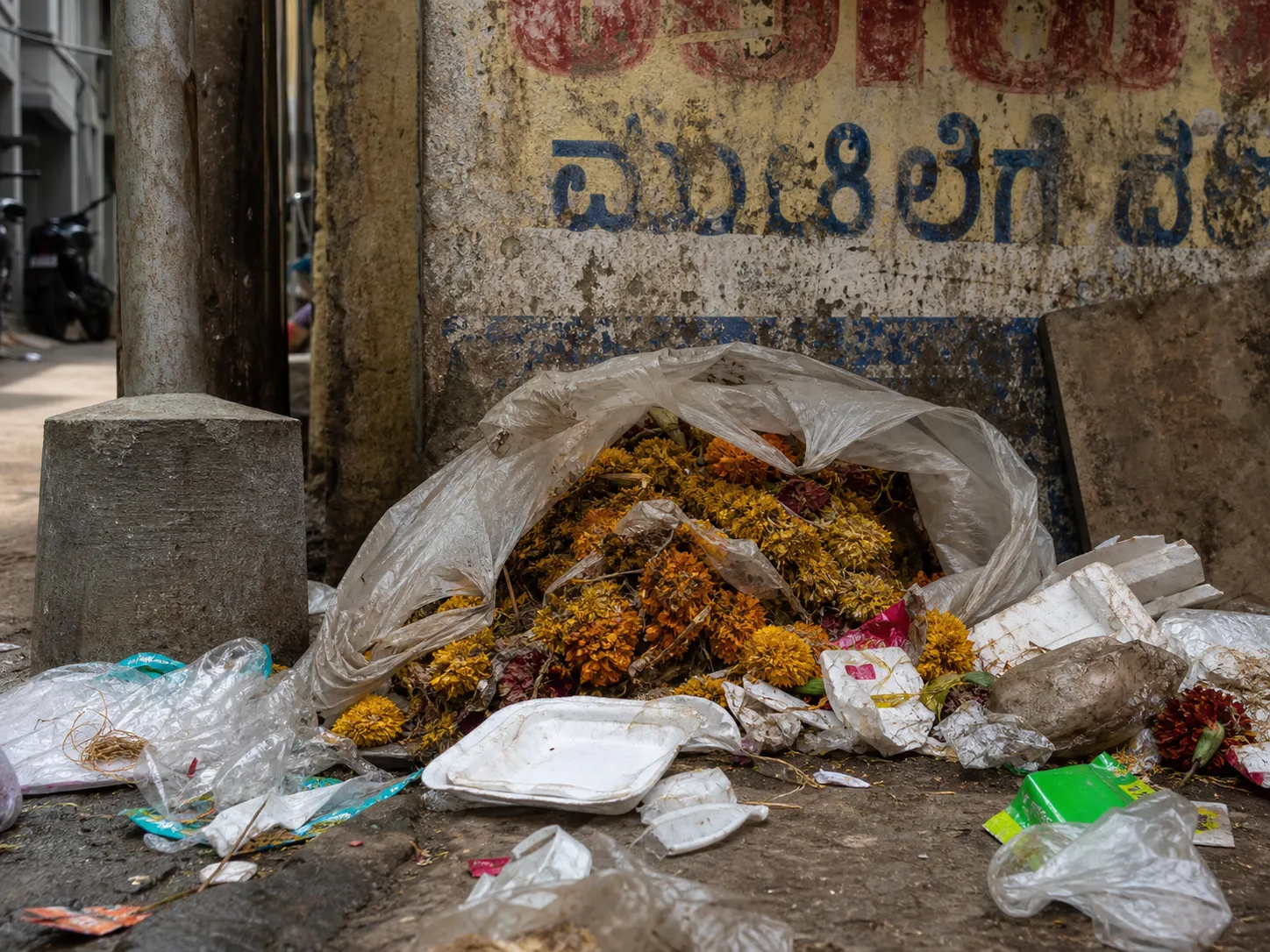
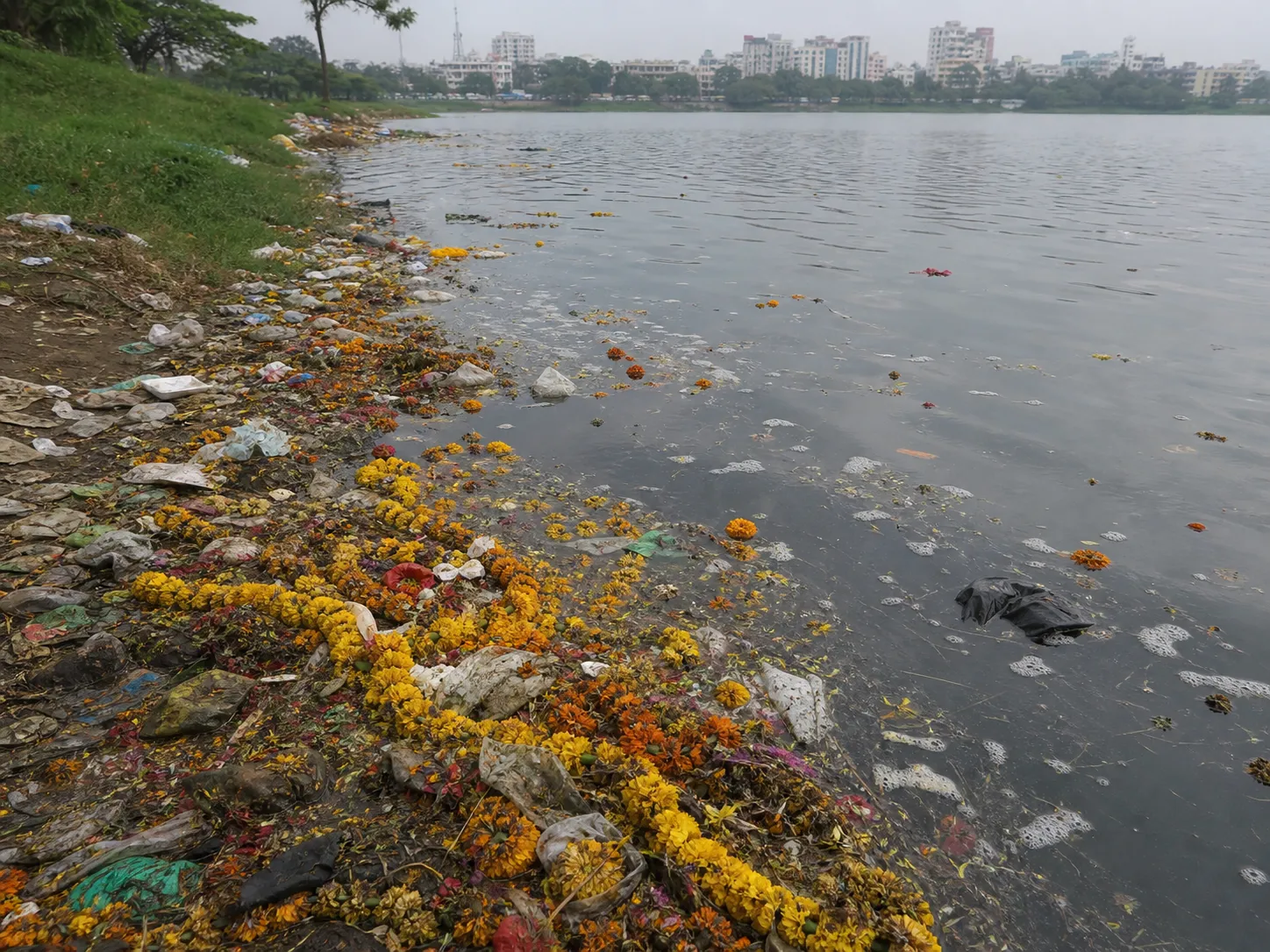
A Flower Offered With Devotion Shouldn't End Up in the Garbage.
Pooja to Prakruthi
Every flower deserves a second life.
Every day, flowers are offered to God with devotion, faith and love. But once the pooja is over, many of these flowers are simply mixed with everyday garbage. Pooja to Prakruthi gives those flowers a better journey.
What Happens to the Flowers After Your Pooja?

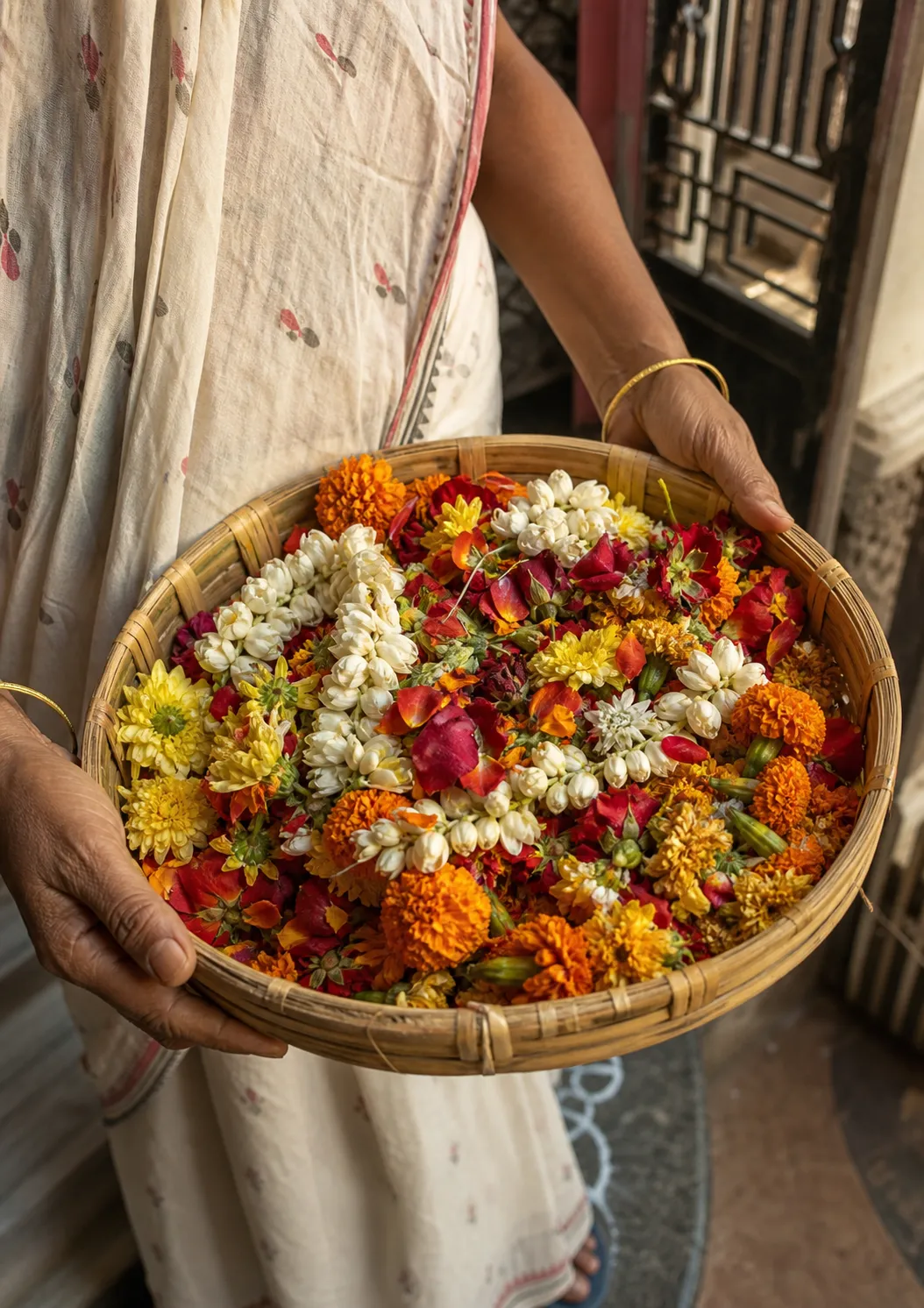
Offered With Devotion
Flowers are offered during pooja with faith, devotion and love.
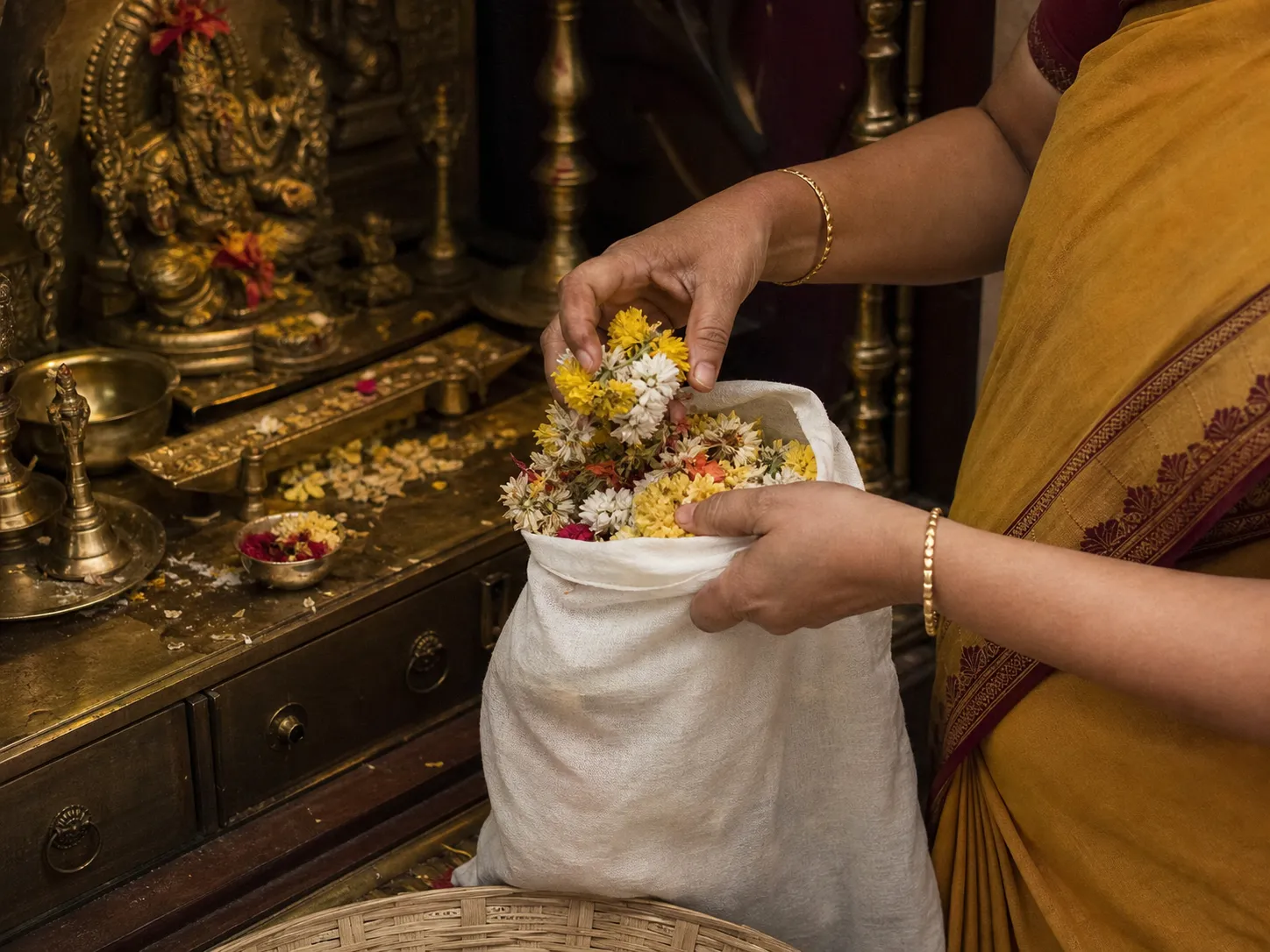
Pooja Ends
The flowers have completed their purpose and are removed from the altar.
A Flower Offered With Faith Deserves Better Than a Garbage Bin.
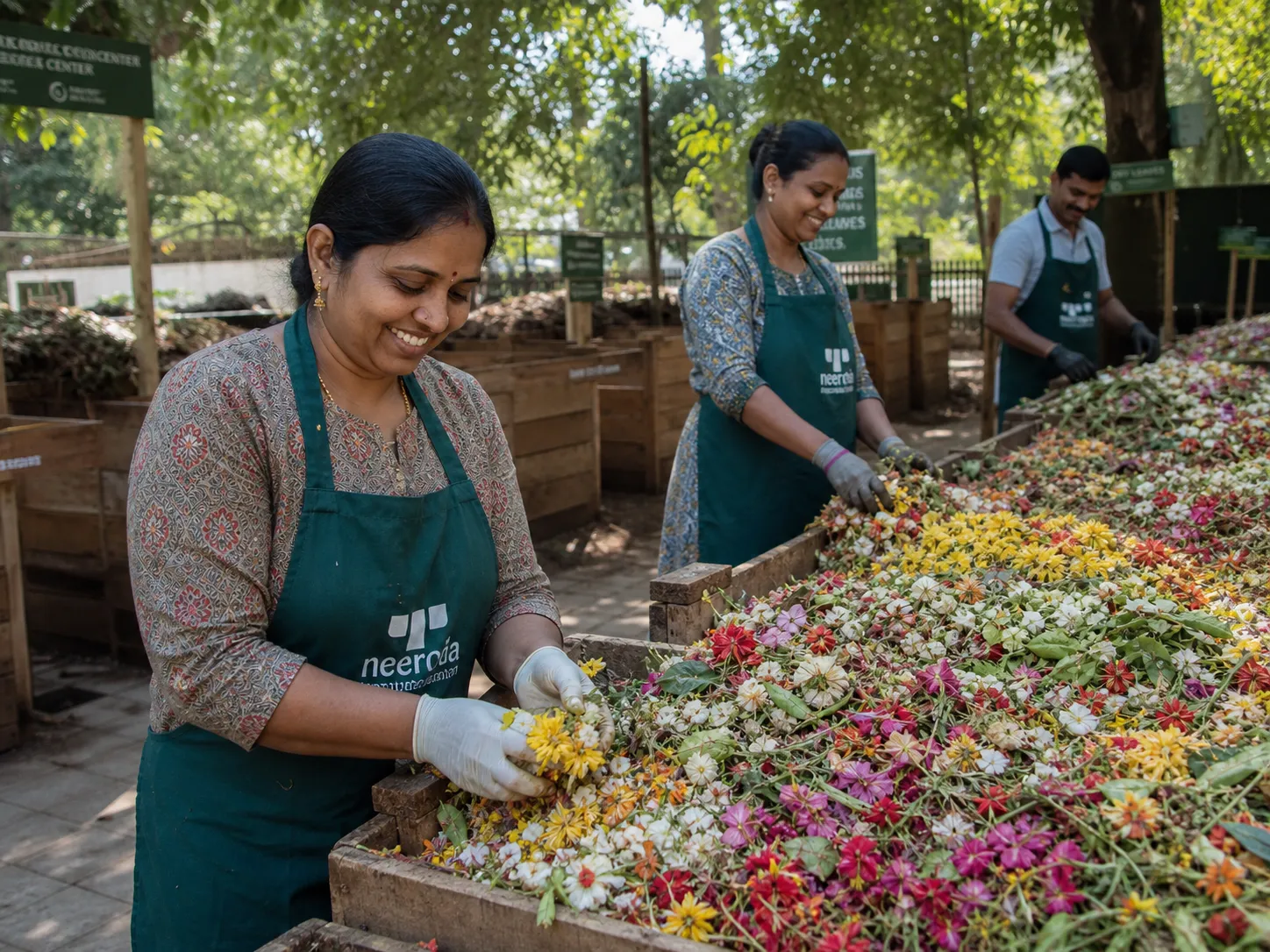
We Believe Your Flowers Deserve a Better Journey.
Sampige Foundation created Pooja to Prakruthi to help keep used pooja flowers separate from mixed waste. We collect, segregate and process the organic material through natural composting.
Please Keep These Separate
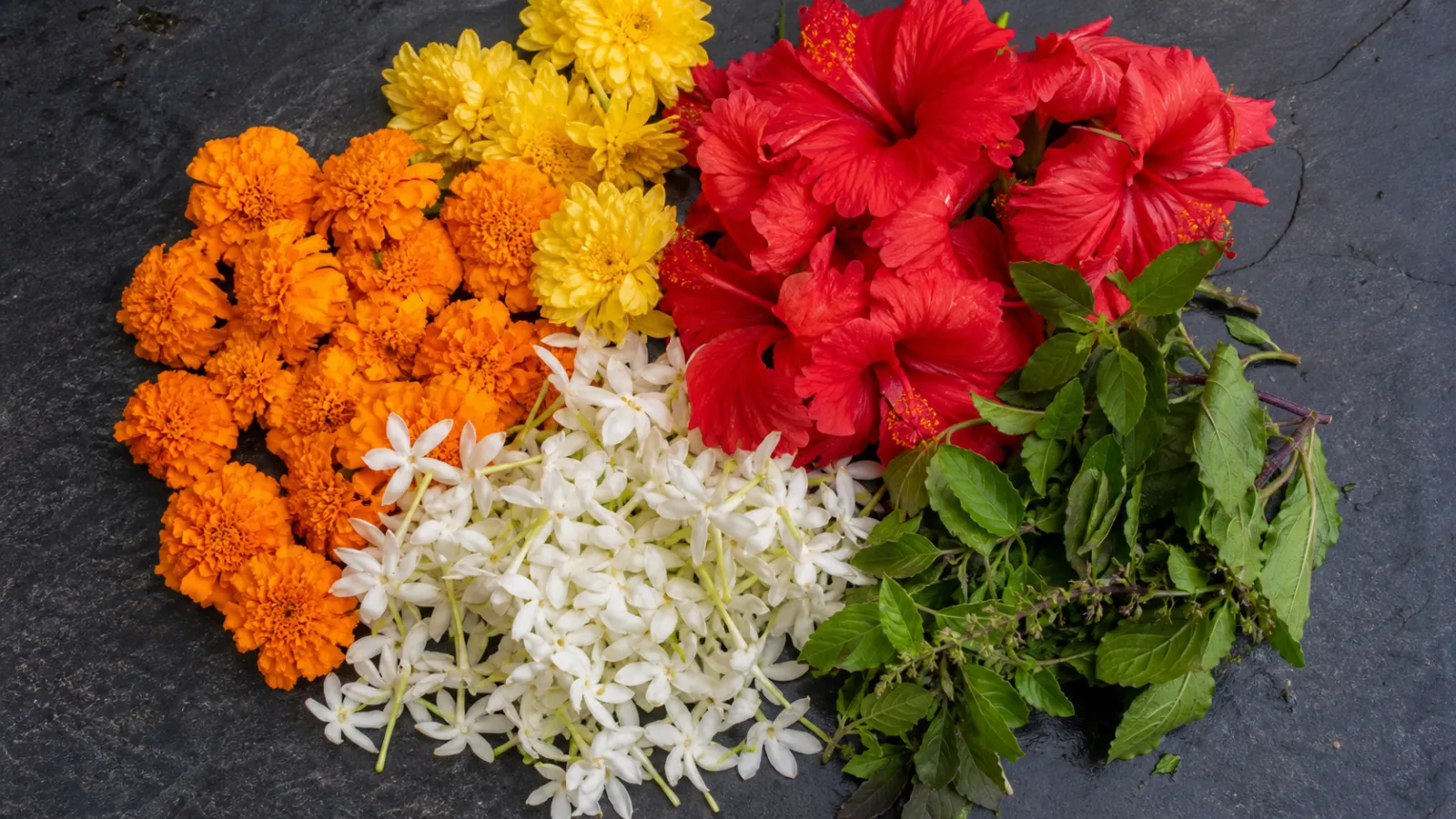
YES — Accepted
- • Pooja flowers (marigold, jasmine, rose, tulsi, hibiscus)
- • Natural garlands
- • Leaves used in pooja
- • Natural flower decorations
- • Temple flower offerings
- • Wedding & festival flower waste
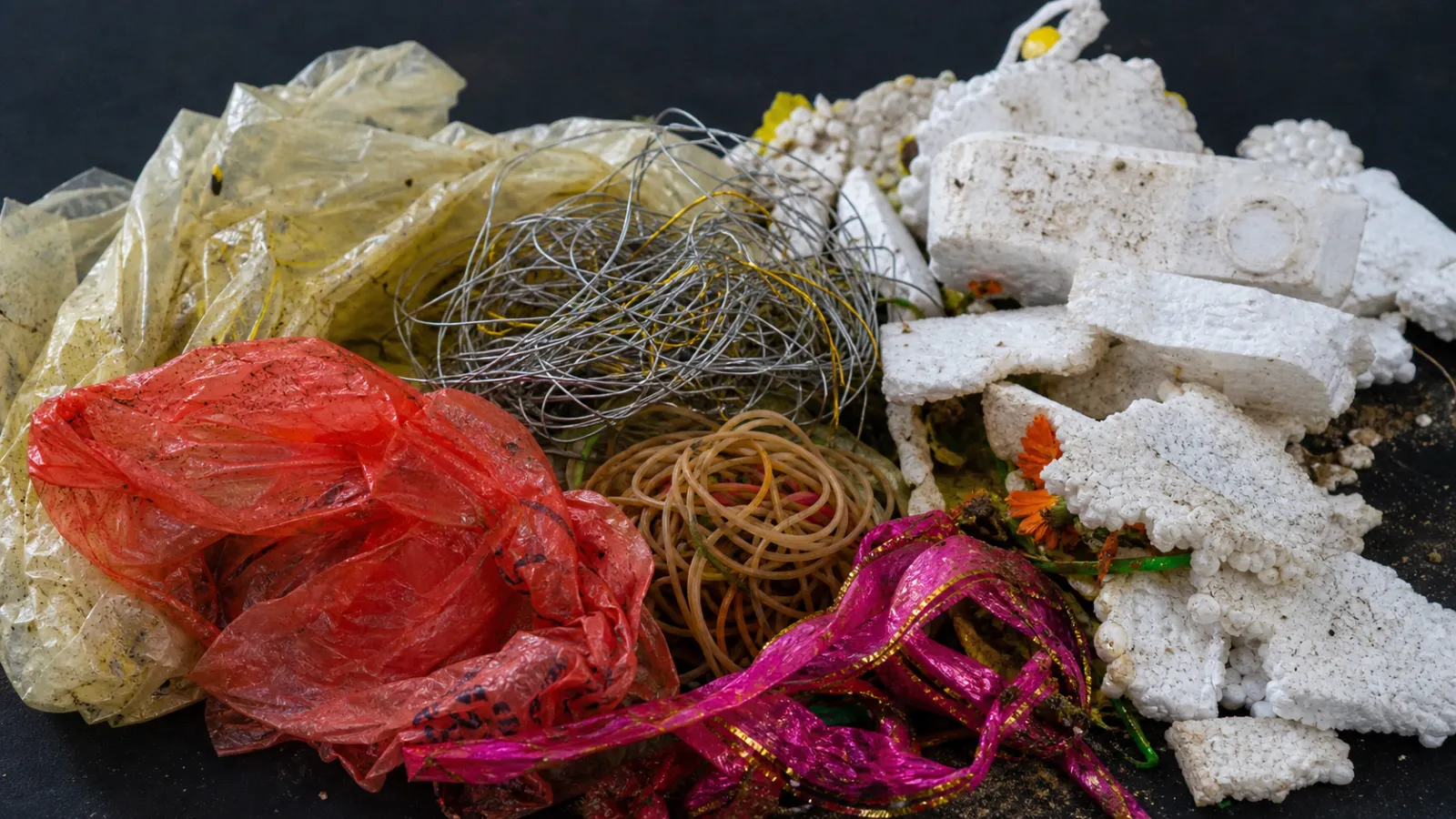
NO — Don't Mix
- • Plastic & plastic covers
- • Thermocol
- • Glitter & decorative plastic
- • Metal wires
- Rubber bands
This Is What We Do
Real photographs from Sampige collections and composting.
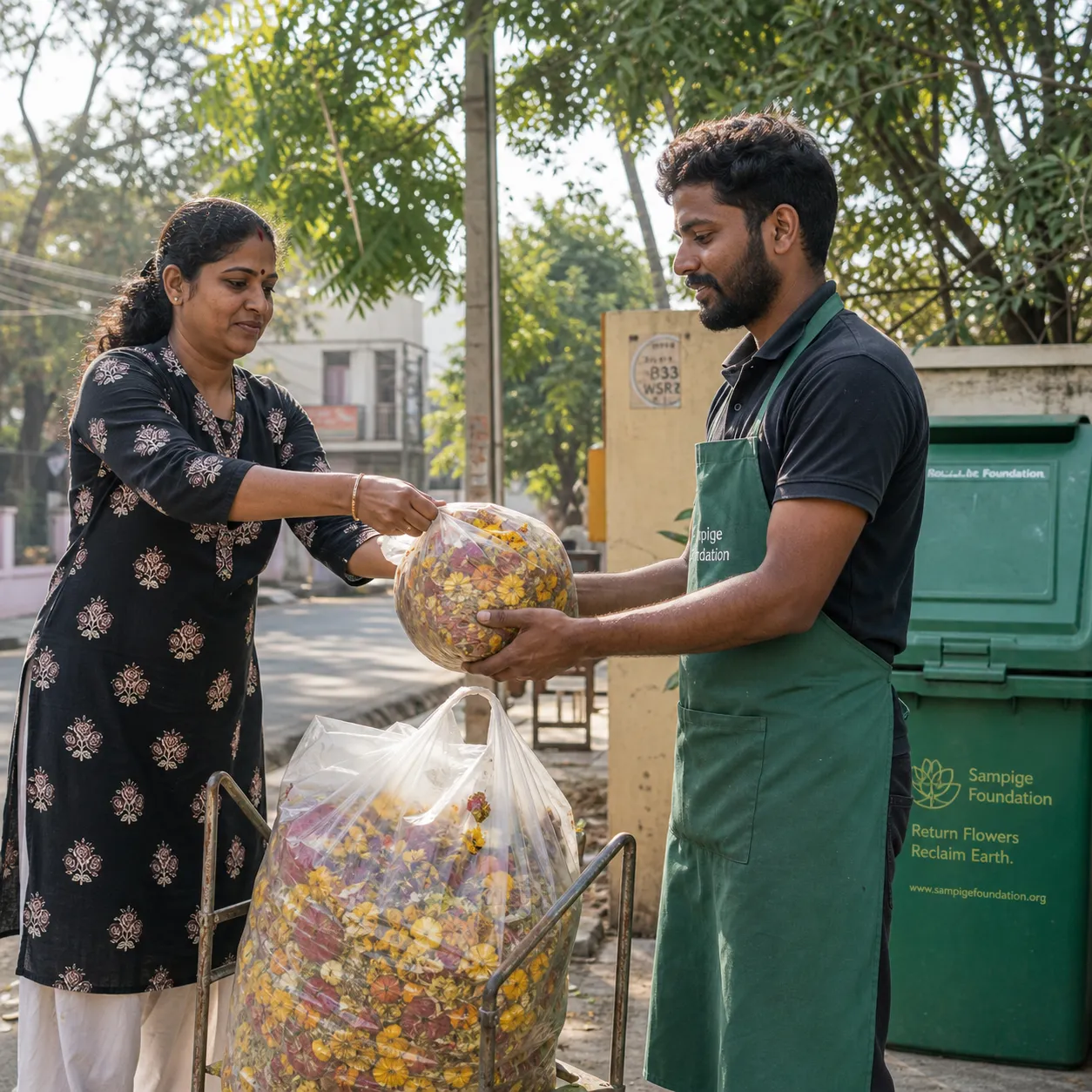
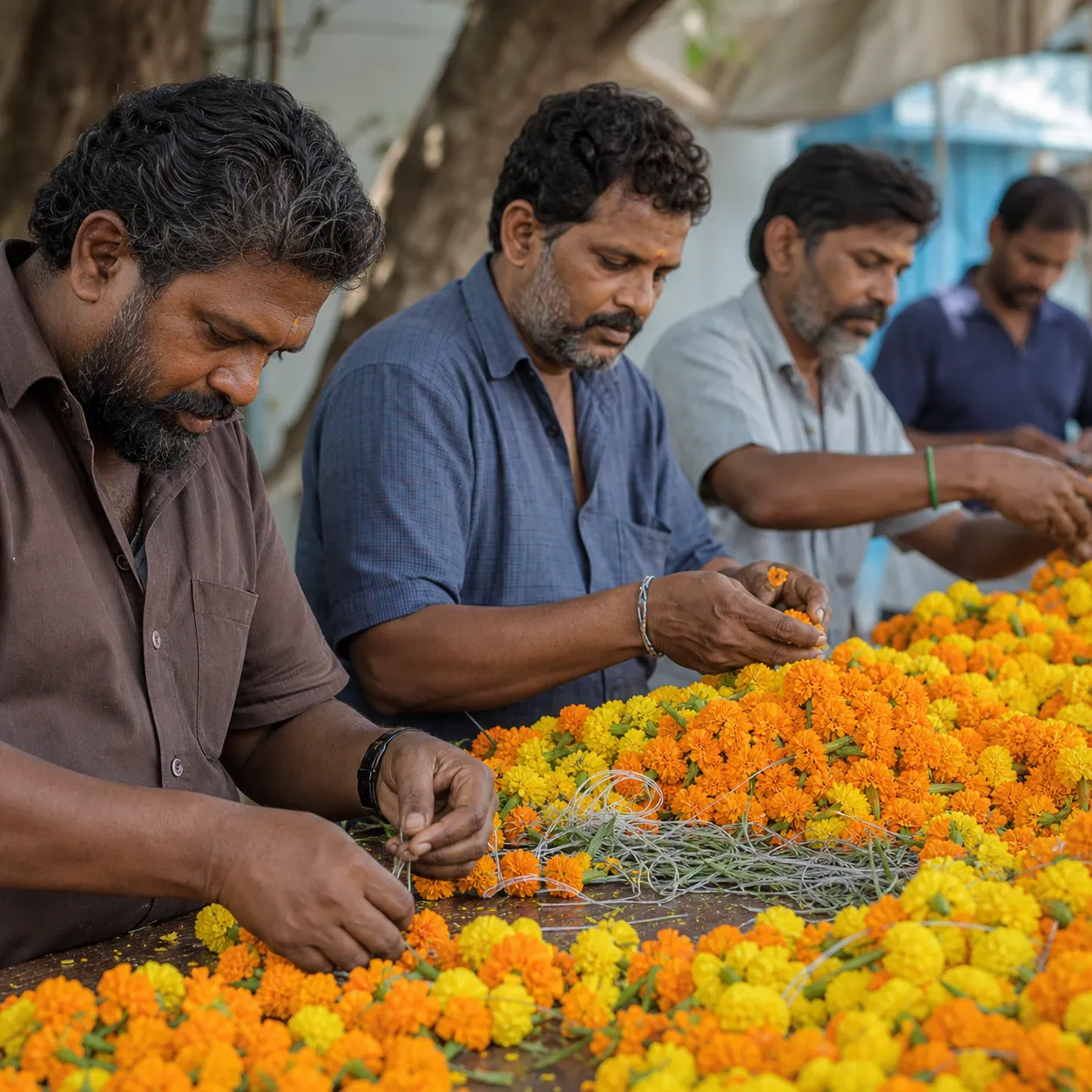
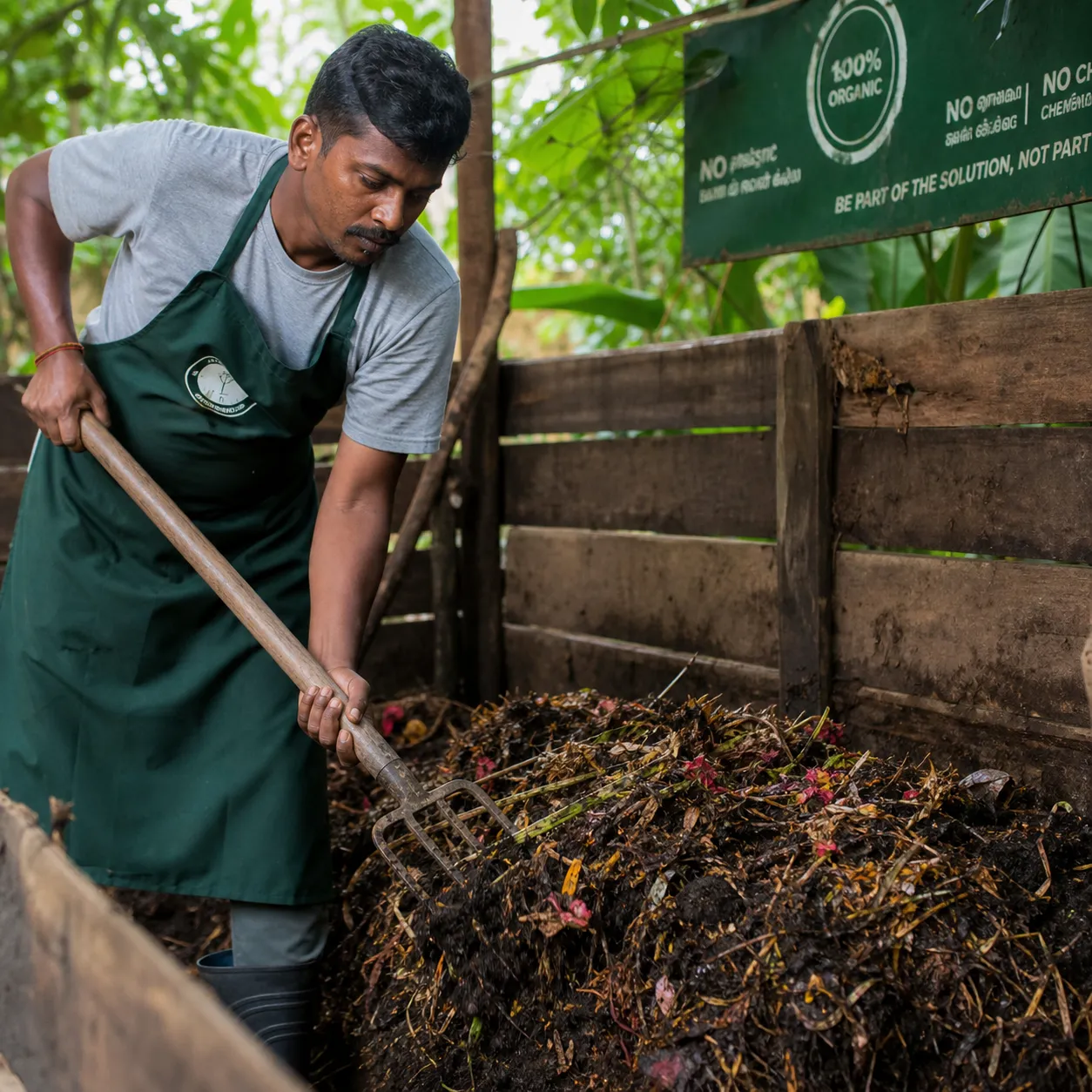
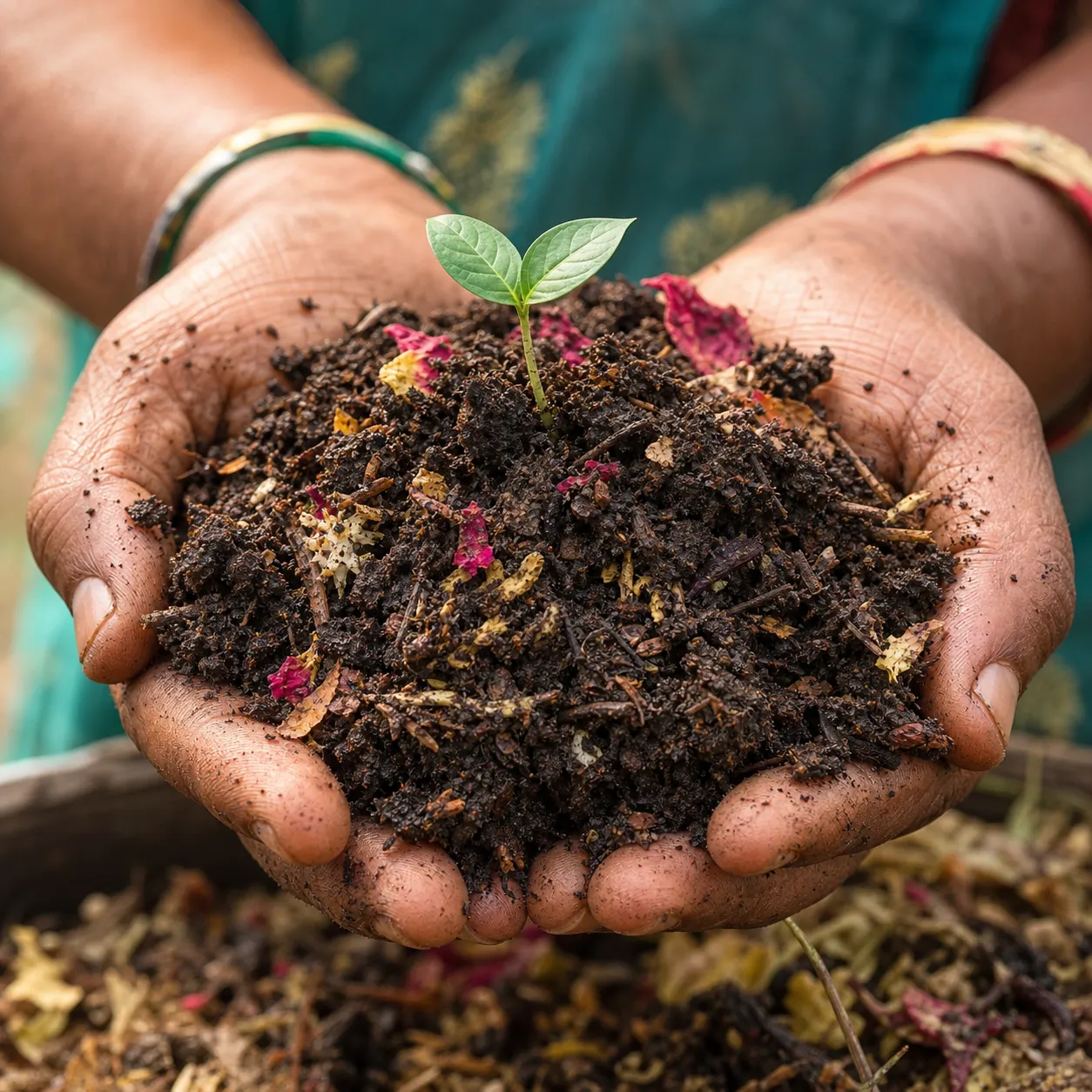
How Can You Be Part of This?
Household
Up to 30 kg per month
- Dedicated flower collection
- Segregation of plastics & wires
- 100% Natural Composting
- Zero waste to landfill
- Monthly impact tracking
Apartment
Per participating flat
Track Impact & Pay Subscription
Enter your registered phone number to check your flower waste impact and pay your monthly renewal.
Let's Give Your Flowers a Second Life.
Tell us a little about yourself and we'll help you get started.
Frequently Asked Questions
What is Pooja to Prakruthi?
Pooja to Prakruthi is a Sampige Foundation initiative that collects used pooja flowers from households, apartments, temples and events in Bangalore, segregates them from non-organic waste, and composts the organic material into nutrient-rich fertiliser.
What happens to the flowers after Sampige collects them?
Flowers go through 5 steps: Collection, Segregation (removing plastic and wires), Shredding & Sun-drying, Natural Composting (45–60 days with cow dung and neem cake), and finally the compost is used in gardens and farms across Bangalore.
What flowers can I give?
We accept all natural pooja flowers — marigold, jasmine, rose, tulsi, hibiscus, natural garlands, leaves used in pooja, and natural flower decorations from weddings and festivals.
How much is Sampige Green Membership?
Household membership is ₹300 per month, which includes up to 30 kg of flower waste collection, segregation, composting, responsible processing and monthly impact updates.